Note: I'm sharing this with you in case you're frustrated by knee pain.
I have no financial incentive in the recommendation below.
Common medical advice for knee joint pain is typically two-fold:
(1) strengthen nearby muscles, &
(2) avoid squats.
While these recommendations are provided by people with good intentions, they both frequently fail to provide long-lasting improvement.
In this article, I'll describe a better approach to this mainstream advice.
Part 1:
Strong muscles are important.
But when someone with knee pain performs exercises to gain muscle strength, it often causes more knee pain.
(Before working with me, many of my clients were doing these types of exercises. To hear their stories, click here or here.)
An increase in knee pain happens after muscle strengthening exercises when the inside of the knee is weak.
Cartilage is a substance inside knees that covers and protects the bones and provides a smooth, slick surface for motion to occur.
When cartilage is strong, it is a very firm surface.
But when cartilage weakens, it softens.
Softer cartilage can't withstand the type of challenging exercises that make muscles stronger.
The Inside Out Knee Health approach helps my clients gain strength throughout their legs and achieve long-term success.
They get stronger without getting more knee pain by starting with exercises that make the inside of their knees stronger, before they gradually work up to strengthening their leg muscles.
(My colleague Doug Kelsey has published tips on improving joints here and here. He has also written books on this topic including The 90 Day Knee Arthritis Remedy.)
Part 2:
When someone has knee pain, they are often told to stop squatting.
And if they avoid squatting, they usually stop getting the pain.
But avoiding squats isn’t a sustainable solution for most people.
Squatting -- at various depths -- is required for activities like sitting down on a chair, getting out of a car, going up and down stairs, as well as for running, jumping, and sports such as basketball and tennis.
So when someone with knee pain avoids squatting they feel better, but when they try a squatting activity again, their joint pain returns.
Sometimes my clients tell me they avoid (or significantly reduce) their knee pain when squatting to sit down on a chair by placing their hands on the arm rests.
Pressing through their arms supports a portion of their body weight and decreases the amount of body weight that their knees must support.
When using their arms decreases or eliminates pain as they sit down, it indicates the Load Tolerance of their legs is less than all of the person's body weight.
(Load Tolerance, a term developed by my colleague Doug Kelsey, indicates "the amount of pain-free force that you can produce or absorb for a specific movement....")
In this example, the specific movement is squatting.
But your exact Squat Load Tolerance is unclear just by watching someone sit down with arm support.
Sometimes you can get stronger by guessing at the right amount of exercise force.
This often works when strengthening muscles.
Muscles are resilient and don't require a very specific amount of weight.
You may not need an exact recipe for success.
It is kind of like cooking a medley of vegetables: the green beans are important, but the exact amount is not critical.
But the cartilage on the surfaces inside your knees are not as resilient as muscles.
They can't withstand as much force (without pain).
This is when precision is critical.
Knowing your Squat Load Tolerance provides clarity regarding how to build better knees.
If you use too much weight, you'll cause knee pain and get even weaker.
But if you use too little weight, you won't get any stronger and the pain won't get better.
This is similar to baking.
If you were baking a cake and you had all the ingredients, but you didn't have measuring cups and spoons, you would need to guess how much of each ingredient to use.
And it would probably take multiple attempts at producing an edible dessert, if it ever actually happened.
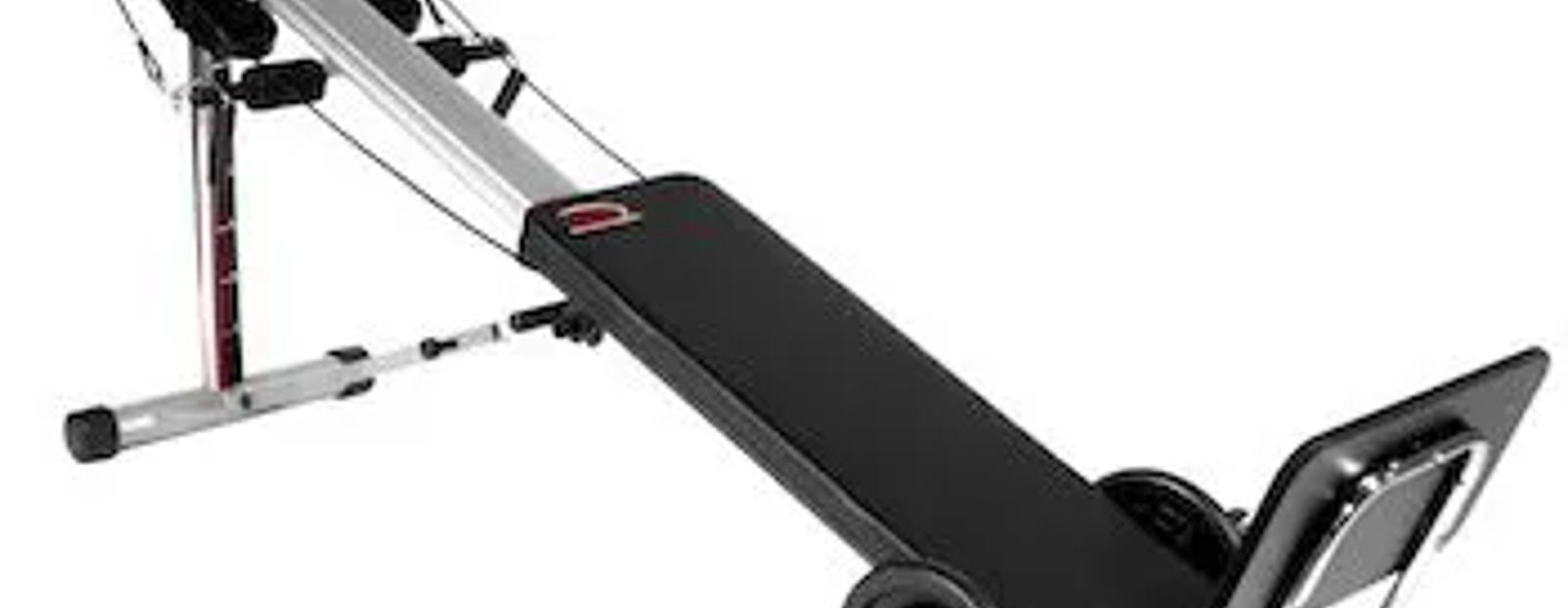
A Variable Incline Plane allows you to measure out just the right amount of squatting exercise for your knee, so that you can get stronger while also preventing a return of pain.
Having a Variable Incline Plane is like having measuring cups and spoons for your knee and hip joints.
It prevents a lot of wasted time spent guessing how hard your squatting exercises need to be.
If you try to get stronger joints without a Variable Incline Plane, sometimes the exercises you choose will be too hard for your joint and cause more pain.
Other times, they will be too easy.
In both cases, you won't be getting better.
And thwarted attempts at developing a better, stronger knees leads to a lot of frustration.
Many of my online clients hesitate initially about getting a Variable Incline Plane.
Variable Incline Planes require a financial investment.
And they require some space within your home.
There are countless ways to spend money to counteract knee pain - like injections, acupuncture, medication, supplements, braces.
(This list is far from exhaustive.)
However, these options typically provide only partial or temporary relief because they do not strengthen inside your knees.
I recommend using a Variable Incline Plane to understand how much each knee tolerates and then to perform the right amount of exercise to strengthen inside your knees.
(Note: there are multiple companies that sell Variable Incline Planes. My colleague Doug Kelsey and I do not have any financial interest in recommending them.)
My clients use a Variable Incline Plane to exercise in ways that strengthen their knee joints from the inside out, allowing them to eliminate pain and return to their active lives.
Help your friends: share this article by clicking a button below.
Disclaimer: The information in this blog post is for educational and informational purposes only and is not intended as medical advice. It should not be used to diagnose, treat, or prevent any health issue or disease without consulting with a qualified healthcare professional. The author of this blog and the website do not bear any responsibility for any actions taken based on the information provided in this blog.
Disclaimer: Disclaimer: The information in this blog post is for educational and informational purposes only and is not intended as medical advice. It should not be used to diagnose, treat, or prevent any health issue or disease without consulting with a qualified healthcare professional. The author of this blog and the website do not bear any responsibility for any actions taken based on the information provided in this blog.
Related Posts

Why Muscle Strengthening Helps Some Knees and Hurts Others
Strengthening helps some knees and irritates others because the key factor is load tolerance—not effort, form, or willpower.
Did knee surgery work for this Wimbledon champion?
Last week I saw Novak Djokovic wearing a compression sleeve on his right knee at Wimbledon. Djokovic has won 24 tennis championships and has been ranked No. 1 in the world during 13 years of his career. It

Do knee gel injections work?
Carol* was recently telling me about her knees.Over the past couple of years, her knees had become "achy."Her knees weren